Jane Remover Live 2026
Jane Remover's current live run turns the sharp, maximalist world of her recordings into a room full of bodies, distortion, and light, and the dates listed below offer a clear route into that experience. Her music sits at the crossroads of hyperpop, digicore, and abrasive electronic pop, with chopped vocals, glitching textures, and emotionally raw lyrics that swing between tenderness and aggression within a single verse. In a live setting those contrasts become physical: the low end hits hard, synth lines snap across the stage, and the atmosphere feels closer to a late-night club than a conventional concert hall, charged with a mix of catharsis and playful chaos. The fanbase that gathers for these shows skews toward listeners who grew up online, who value genre-blending, and who see a Jane Remover night as a place to shout along, lose themselves in noise, and feel seen. What makes this tour worth attention is its scope and rhythm; it moves through a broad run of cities and a varied set of rooms, from intimate venues where the crowd can almost touch the stage to larger halls built for sheer volume. The typical set is paced like a sustained surge rather than a slow build, opening at full intensity, dipping into quieter, rawer moments that land harder for the contrast, before climbing back toward chaotic peaks. Because routing, venue sizes, and start times vary by city, the best way to plan is to check the dates table below and choose the night that suits you.
Jane Remover Tour Dates 2026
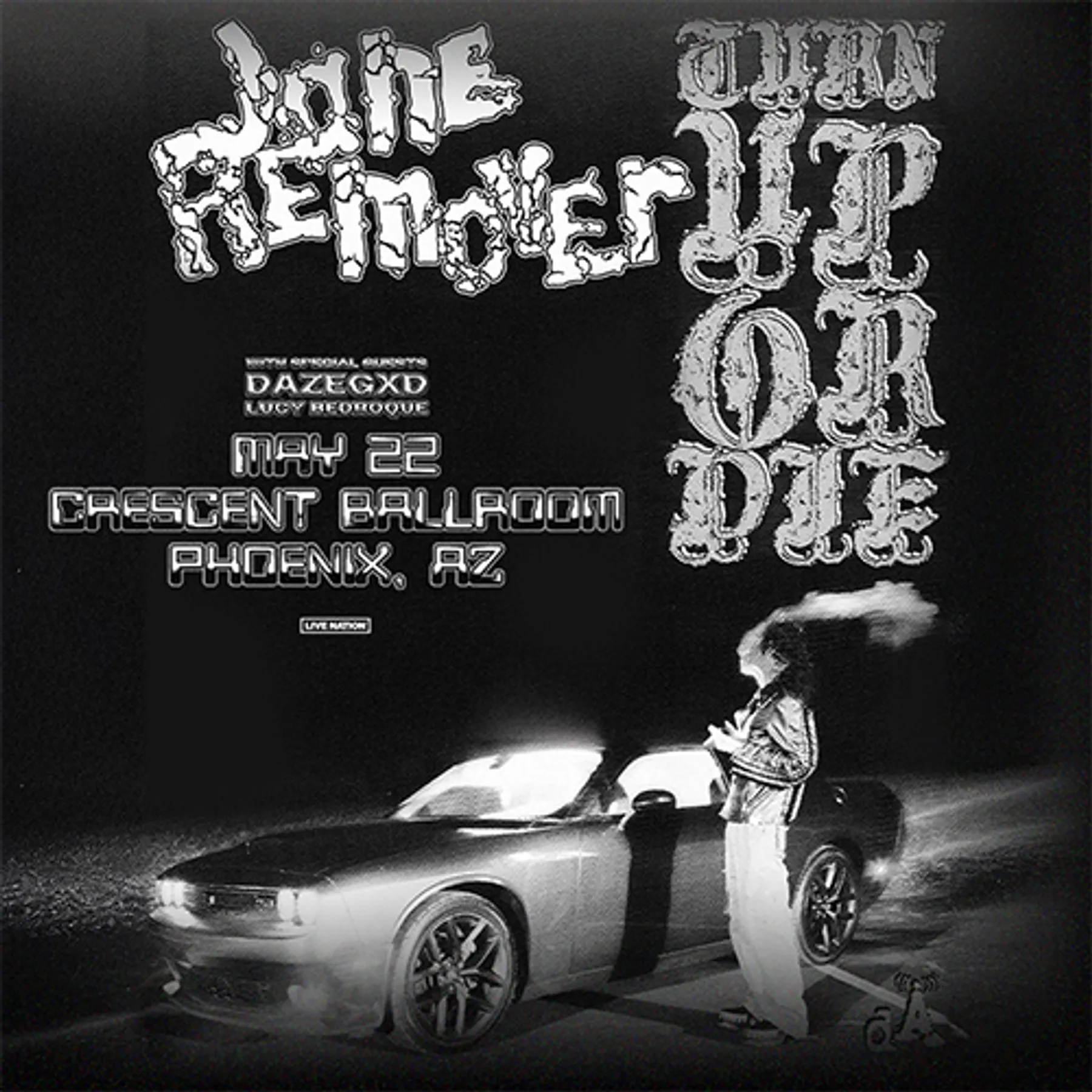
Tour Poster
Photos




About Jane Remover
Jane Remover is an American project that began as a single-writer studio endeavor and has since grown into a full live unit. The core of the music comes from a principal songwriter and producer who builds tracks from programmed drums, synthesizers, and heavily processed vocals, then layers in guitars and live drums when the material moves on stage. The result is a genre-crossing sound that draws on hyperpop, metalcore, and industrial music. Pitched and chopped vocal samples often sit against screamed passages, while snapping electronic percussion collides with down-tuned guitar riffs. Tempo changes and abrupt cuts are common, so a single song can move from delicate synth textures to dense, distorted sections within seconds.
The current live show is built around that same sense of contrast. The stage setup typically combines the band's instrumentation with laptop-driven electronic layers and lighting cues timed closely to the recorded arrangements, so the visual pacing follows the music's sudden shifts. The setlist tends to alternate between melodic, sung material and abrupt, aggressive passages, which keeps the energy from settling into one register. Because the sound depends on dynamic range and sharp transitions, the band suits club rooms and mid-sized venues, where the low end and the detail in the production can be felt clearly without the sound being lost in a very large hall.
The album Revengeance is the release most often cited when people discuss the band's catalog. It pushes the project's hybrid approach further, with heavier guitar work and more pronounced electronic processing, and several of its tracks have become fixtures of live setlists. Earlier singles and releases circulated widely through online music communities and helped establish the band's reputation before its larger full-length projects. The band has also appeared on multiple festival bills, which has introduced its music to audiences who might not otherwise have sought out this blend of styles. Fans who follow the project closely tend to point to these recordings as the clearest examples of its musical identity.
Jane Remover sits within a loosely connected scene of artists who have moved between internet-native pop production and heavier, guitar-driven music. Its closest peers include hyperpop-adjacent performers, post-hardcore and metalcore acts that experiment with electronics, and experimental artists working across genre lines. The audience reflects that mix. Listeners who arrive through electronic and hyperpop channels often find the heavier passages a surprise they enjoy, while metalcore and post-hardcore listeners tend to appreciate the production craft and vocal range. Many fans are younger and highly engaged with online music communities, and they often know the records closely, which gives shows an unusually participatory energy when familiar songs begin.
For fans planning to attend, a few general expectations are useful. Headline sets typically run around an hour, though this can vary by venue, time slot, and tour routing. Opening acts are often local or genre-adjacent groups, so arriving early is worthwhile if you want to see them. The rooms usually feel loud, close, and physically energetic, especially during the heavier sections, and many fans bring earplugs for comfort. Doors and age policies differ from venue to venue, so it is wise to check those details before travel. Merchandise tables are common at these shows, and it is worth confirming cash and card policies in advance.
The dates listed below show where the band is scheduled to perform on its current run. Browse the full list to find a show near you, and check each venue's ticketing details, start times, and entry requirements directly before you go. Schedules can change, so confirming information with the venue or official ticketing channel is the most reliable approach.
FAQs
Where can I buy tickets for a Jane Remover concert?
Tickets are usually sold through the artist's official website or through the authorized ticketing platform listed on the event page. Buying from official sources helps you avoid counterfeit tickets and inflated resale prices. If you buy on the resale market, check the seller's reputation and confirm that the platform offers a buyer protection policy.
How much do tickets cost, and why do prices vary?
Ticket prices depend on the venue's size, the city, the date, and the seating section. Smaller club shows often cost less than arena or festival appearances. Prices also include service and facility fees that are added at checkout, so the final total may be higher than the listed face value. The event page shows the exact price breakdown for each show.
What is the age policy for attending a concert?
Age requirements are set by each venue, not by the artist, so they can differ from one show to the next. Some concerts are all-ages, while others require attendees to be 18 or 21 and older, especially if alcohol is served. Check the age restriction on the event listing before you buy, and bring a valid government-issued photo ID to the door, since staff may ask for it. Children under the stated age may need to be accompanied by an adult, depending on the venue's rules.
Are VIP packages available, and what do they usually include?
VIP options are offered at some shows but not all of them. When available, packages typically include benefits such as priority or early entry, a reserved or better-positioned viewing area, and sometimes merchandise or a meet-and-greet opportunity. The exact inclusions differ for every event, so read the package description carefully before purchasing. If VIP is not listed on a particular date, it may not be offered for that show.
What is the refund policy if I can no longer attend or the concert is canceled?
Most concert tickets are non-refundable if you simply change your plans, although some platforms allow resale or transfer. If a show is canceled, you are generally entitled to a full refund, and the ticketing platform or promoter will announce how to claim it. If a show is postponed, your existing tickets usually remain valid for the new date, though you may be offered a refund within a set window. Always review the refund terms on your order confirmation and the event page before completing your purchase.
Live tour and ticket guide
This is an independent fan-made guide to live events and ticket listings. This website is not affiliated with, sponsored by, or endorsed by Jane Remover, any venue, or any ticket provider. We may earn a commission from ticket and hotel links at no extra cost to you.
Follow Jane Remover